A lively first NanoMagSat Symposium
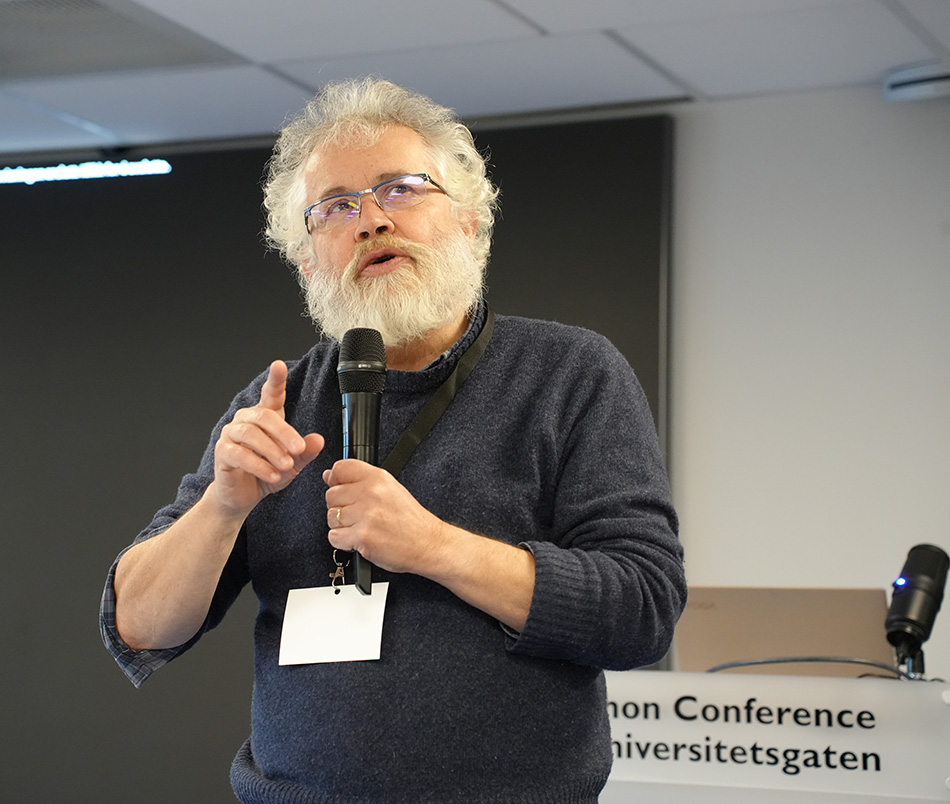
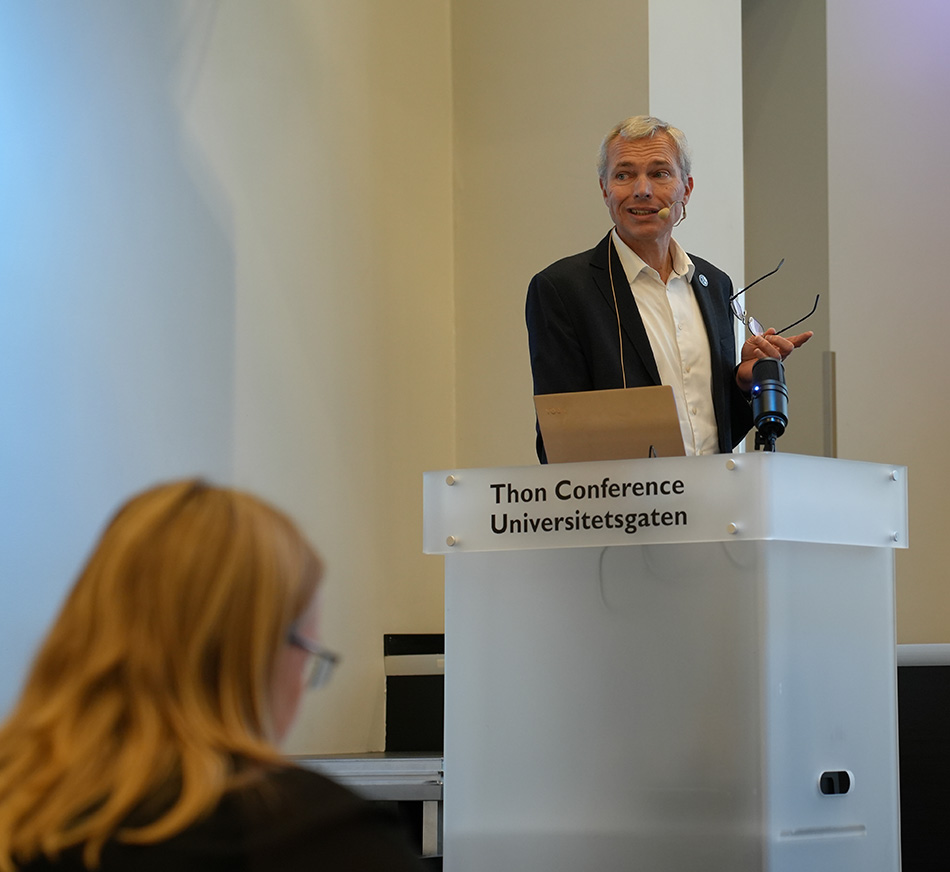
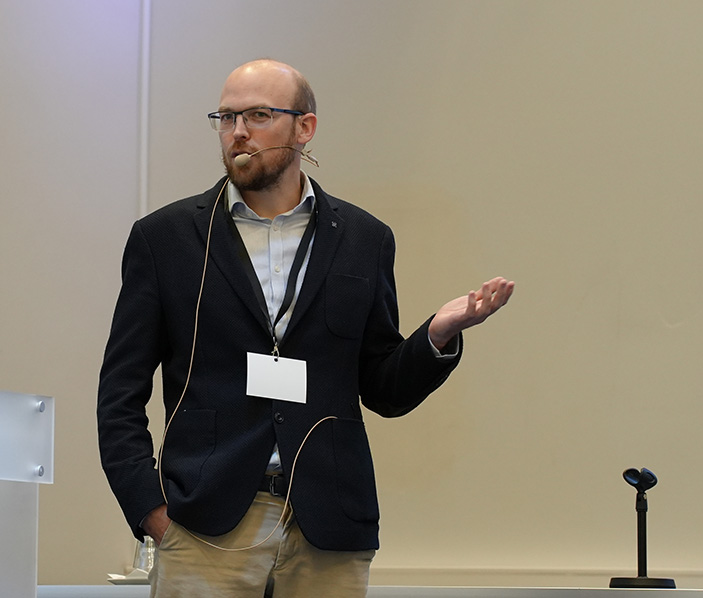
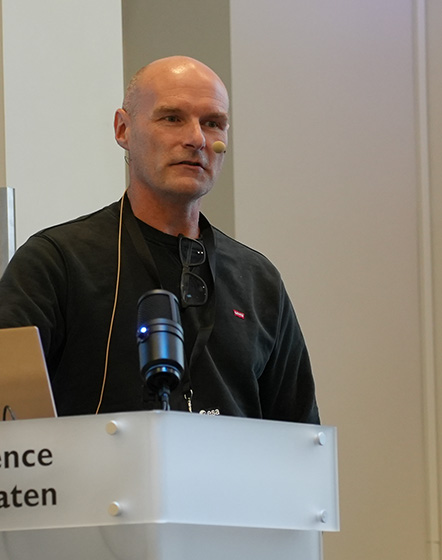
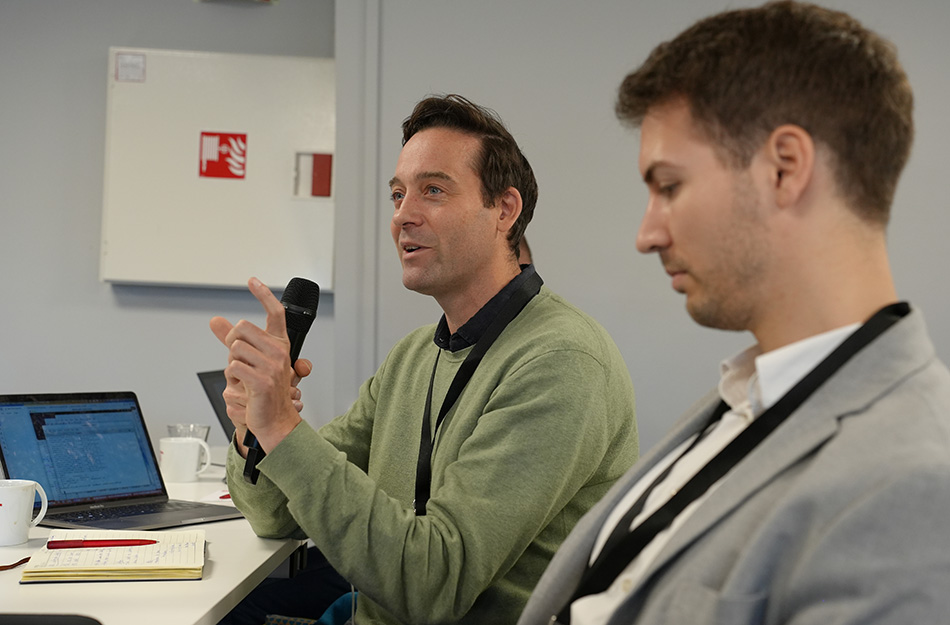
Following the 15th Swarm Data Quality Workshop on October 04-09th, was organised the very first NanoMagSat symposium on October 9-10th in Oslo. This was an ideal opportunity to gauge the interest of the science community, discuss the progress and key developments of NanoMagSat, and build on the science strategy to make the best transition between SWARM and NMS. Among all the lively discussions, 3 main points were to take home: the community is highly supporting the development of NanoMagSat and the orbits and payloads are key to the launches of the constellation!
Building on the shoulders’ giant
With Nanomagsat, Europe continues to demonstrate its long-standing programme of study of the Earth’s magnetic field and its environment. Following on from previous missions such as MagSat, Ørsted and CHAMP, the Swarm mission has made an immense contribution since its launch in 2013. Swarm is a constellation of three identical satellites, the first ever to be entirely dedicated to observing the magnetic field. Each satellite carries five instruments: an absolute scalar magnetometer, an electrical field instrument, a vector field magnetometer, a GPS receiver and an accelerometer.
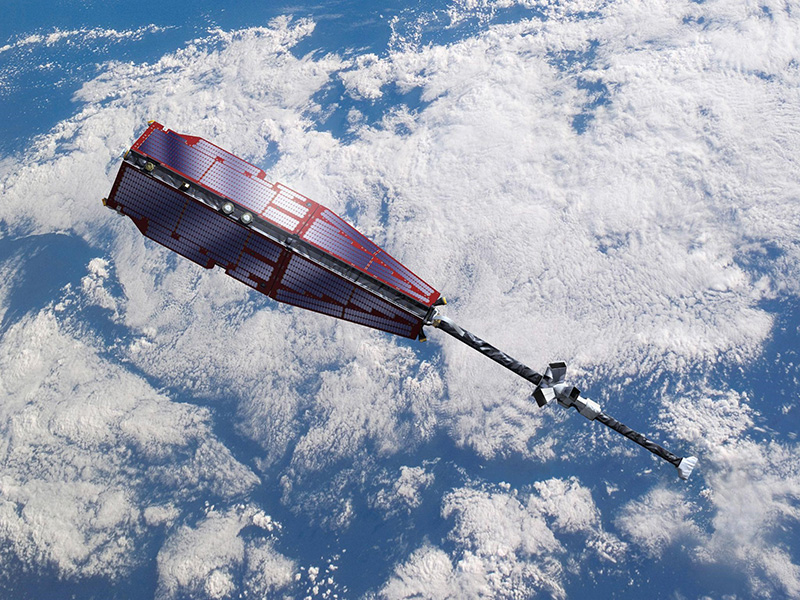
An artist’s impression of a Swarm satellite
Swarm is ESA’s first Earth observation constellation of satellites. Two satellites orbit almost side-by-side at the same altitude – initially at about 460 km, descending to around 300 km over the lifetime of the mission. The third satellite is in a higher orbit of 530 km and at a slightly different inclination.
Credit: ESA–P. Carril, 2013
For more than fifteen years, Swarm has consistently demonstrated the quality of its data and has made a good insight in our understanding of electromagnetic phenomena. It is in this context and momentum that Nanomagasat will be launched. As theare are many questions that remain unresolved and improvements that are to be made, ESA and the Nanomagsat consortium are currently developing a new constellation of 3 identical small satellites to continue the quest. Knowledge of fast planetary changes in core, ionospheric and magnetospheric fields is still lacking, the recovery of crustal and oceanic signals needs to be improved, and fast core dynamics, solar-terrestrial interactions, crust and deep Earth properties and possible signatures of climate change should be further investigated. This is why NanoMagSat has been equipped with specific instruments in an innovative compact payload dedicated to answering these scientific enigmas.
From Swarm to Nanomagsat: a strategic transition to make
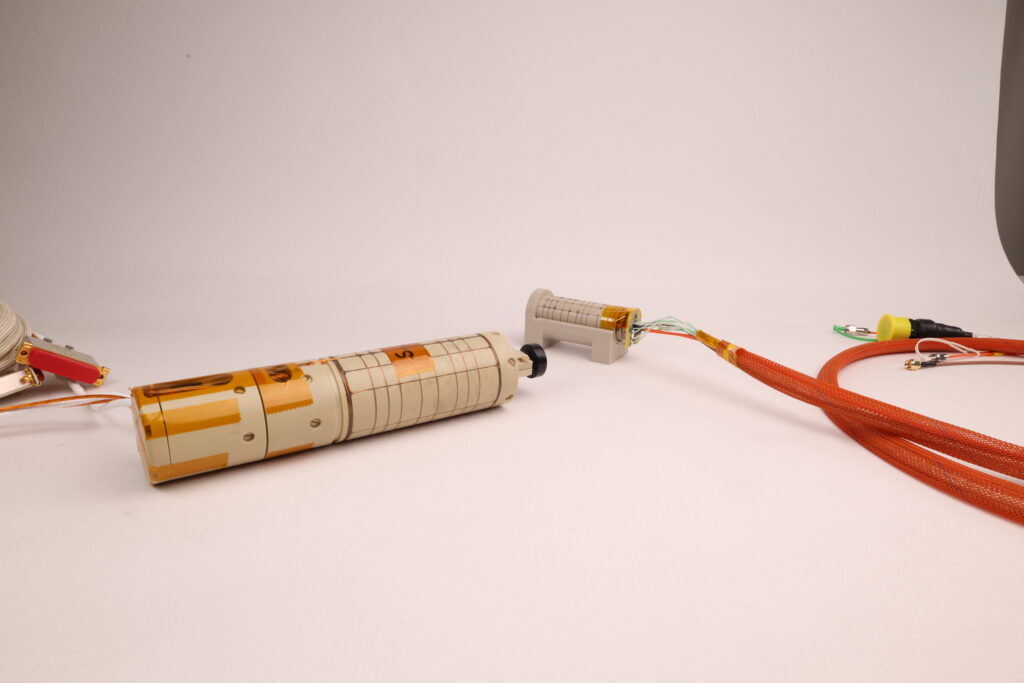
The transition from Swarm to Nanomagsat is happening in several ways. On a technical aspect, it has been necessary to significantly miniaturise the satellites and their payloads, which was a huge challenge. Building on past work and research to identify new questions is how science works and this is an excellent illustration of how knowledge is being built with time. Hence the interest in holding a common meeting between the SWARM and Nanomagsat consortia make perfect sence.
Comparison of Nanomagsat and Swarm probes‘ size
On the left, the Swarm Absolute Scalar Magnetometer and, the NanoMagSat miniaturized absolute magnetometer on the right, both conceived by CEA-Leti.
Credit: CEA-Leti
Three main lessons emerged from the discussions of this first Nanomagsat symposium:
– There is a very enthusiastic scientific community!
– There is a unique opportunity to plan the end of Swarm’s mission strategically and in synergy with the advent of Nanomagsat satellites.
– The orbits and payloads of satellites are of prime importance in the choice of the launches of the constellation.